The Quiet Revolution: How Heyball Snuck Up On Us
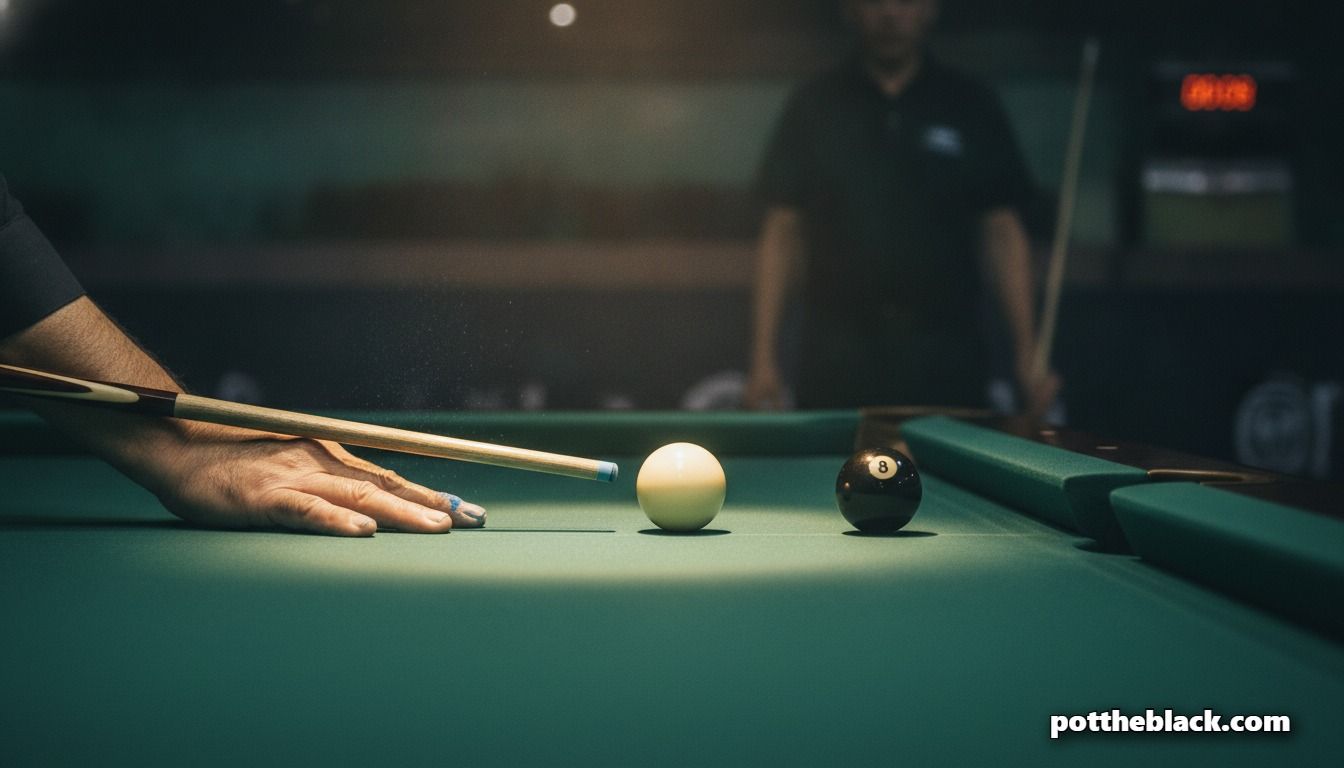
The first time someone mentioned "Heyball" to me when I was at a comp at the cozzie club, I thought they were joking.
A new cue sport? In this economy?
But here we are. Like a lot of amateur players who've spent years grinding away at 8-ball and Snooker, I've found myself genuinely won over by this strange, fast, slightly chaotic game.
It seems to be popping up everywhere from Asian pool halls to American bar leagues, and even NZ and Australian competitions.
So What Even Is Heyball?
Heyball is a relatively new variant that originated in China, gaining serious traction over roughly the past decade before exploding internationally in the last few years.
It's essentially a hybrid—a love child of American pool, Chinese eight-ball (the version played on those gorgeous, tight-pocketed Chinese-style tables), and a dash of snooker sensibility.
The result is a game that feels familiar enough that any pool player can pick up a cue and play immediately, but different enough that it rewards a completely different skillset.
The big draw, from what I can tell, is that it splits the difference between the technical precision of Chinese eight-ball (played on tables with pockets so tight they make American 8-ball pockets look like buckets) and the more forgiving, fast-paced nature of bar table pool.
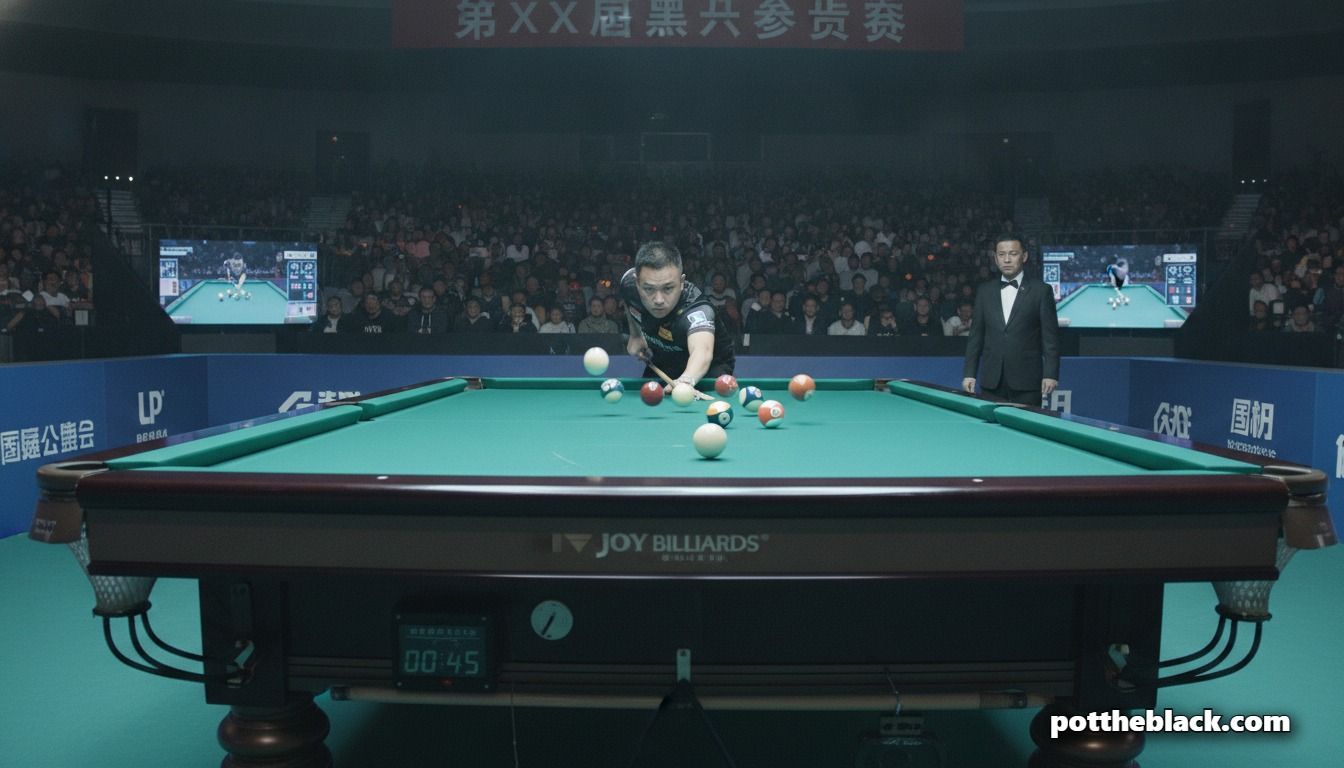
It's been marketed hard as a spectator-friendly format too, with shorter matches, bigger breaks, and more dramatic comebacks than traditional 8-ball.
A Bit of History
From what I've gathered talking to players and reading up on it, Heyball emerged in China as pool's popularity there was already booming. Chinese eight-ball had become massive—tournaments with huge prize pools, young prodigies dominating, the whole deal—but the tight pockets and slow, methodical pace didn't always translate well to broadcast or casual play.
Heyball was developed as something of an answer to that: take the equipment and table style that Chinese audiences already loved, but loosen up the rules to create more action, more potting, and more excitement per rack.
Word is that some well-known names from the Chinese pool scene were involved in shaping the rules, which probably explains why it caught on with the competitive crowd so quickly rather than being dismissed as a gimmick.
From there it spread—first through exhibition matches and online content (a LOT of it on social media, with trick-shot artists and pros doing crossover content), then into actual sanctioned tournaments.
In the last couple of years it's reached the US, UK, and Europe, with pool halls starting to install Heyball-spec tables and local leagues experimenting with running Heyball nights alongside their regular 8-ball and 9-ball schedules.
The Rules: What's Actually Different?
This is the part that took me a few sessions to wrap my head around, because Heyball borrows from multiple games. Here's the breakdown as I understand it:
The Break
Unlike standard 8-ball where you're often just hoping to make something on the break, Heyball breaks are a much bigger deal. The break shot has specific requirements (balls needing to reach certain rails, etc.) similar to Chinese eight-ball, and pocketing on the break can have direct scoring implications.
It rewards players who've actually practiced their break rather than just whacking the rack and hoping.
A legal break requires a minimum of four object balls to hit the cushions or a ball to be pocketed.
Safety
You might hear casual players claim that Heyball outlaws or penalizes tactical defensive play to force constant offense. This is a complete misunderstanding of the game.
The reality is exactly the opposite: Safety play is legal, highly strategic, and absolutely brutal in Heyball. Because the Chinese-style snooker pockets are so tight and unforgiving, pulling off a high-percentage pot is often impossible.
When a player is snookered or out of position, playing an intentional safety is standard procedure.
The game doesn't ban safeties; it just enforces standard international pool requirements to keep the game moving. After the cue ball contacts your legal object ball, at least one ball on the table must strike a cushion or be pocketed. If you fail to meet that requirement, it is a standard foul.
Rather than eliminating tactical battles, the tight pockets actually elevate safety play into an art form that rewards absolute precision.
Fouls
A foul in Heyball gives the incoming player ball-in-hand anywhere on the table. On a table with snooker-style templates where positioning is everything, giving your opponent ball-in-hand is practically handing them the frame.
Heyball operates under a highly strict, standardized international rulebook (WPA/IHPA). It completely eliminates the "labyrinthine local house rules" (like "two visits," "behind the line fouls," or "dribbling off the cushion") that ruin pub pool. A foul is clear, objective, and universal.
Why It's Catching On With Amateurs
Honestly? I think it's the pace. A typical Heyball rack moves fast. There's less standing around, less arguing about ball ownership, and the discouragement of safety play means even a mediocre player like me gets to actually shoot more often instead of watching a more skilled opponent play three-rail safeties for ten minutes.
It's also just refreshing. After years of the same 8-ball and 9-ball routines, Heyball feels like pool with the training wheels reconfigured—still recognizably the sport you love, but forcing you to think about positioning and risk differently.
The tighter pockets mean your fundamentals get exposed fast (I have never missed so many "easy" shots in my life), but there's something satisfying about that challenge.
Where to Find It
If you're curious, keep an eye out for halls advertising "Heyball tables" or "Chinese pool" setups—the equipment difference (smaller pockets, often a slightly different cloth and ball size) is usually the giveaway.
A lot of halls are running informal Heyball nights as a novelty before committing to full leagues, so it's worth asking around even if you don't see it advertised outright.
Whether Heyball becomes a permanent fixture or ends up as a passing trend, I can say that as someone whose 8-ball game had gotten a little stale, it's been a genuinely fun kick in the pants.
Worth trying at least once—just don't expect those tight pockets to be forgiving of your "good enough" stroke.
More from the Table
Cue Sports Weekly - Wu Yize Wins Shenzhen, O'Sullivan Gets His Lifeline, and the Race for York Tightens
Cue Sports Weekly - Brennan Takes the 8-Ball Worlds, Shenzhen Open Hits the Last Eight