Mastering Stop, Follow, and Draw: The Vertical Axis Secrets of 8-Ball
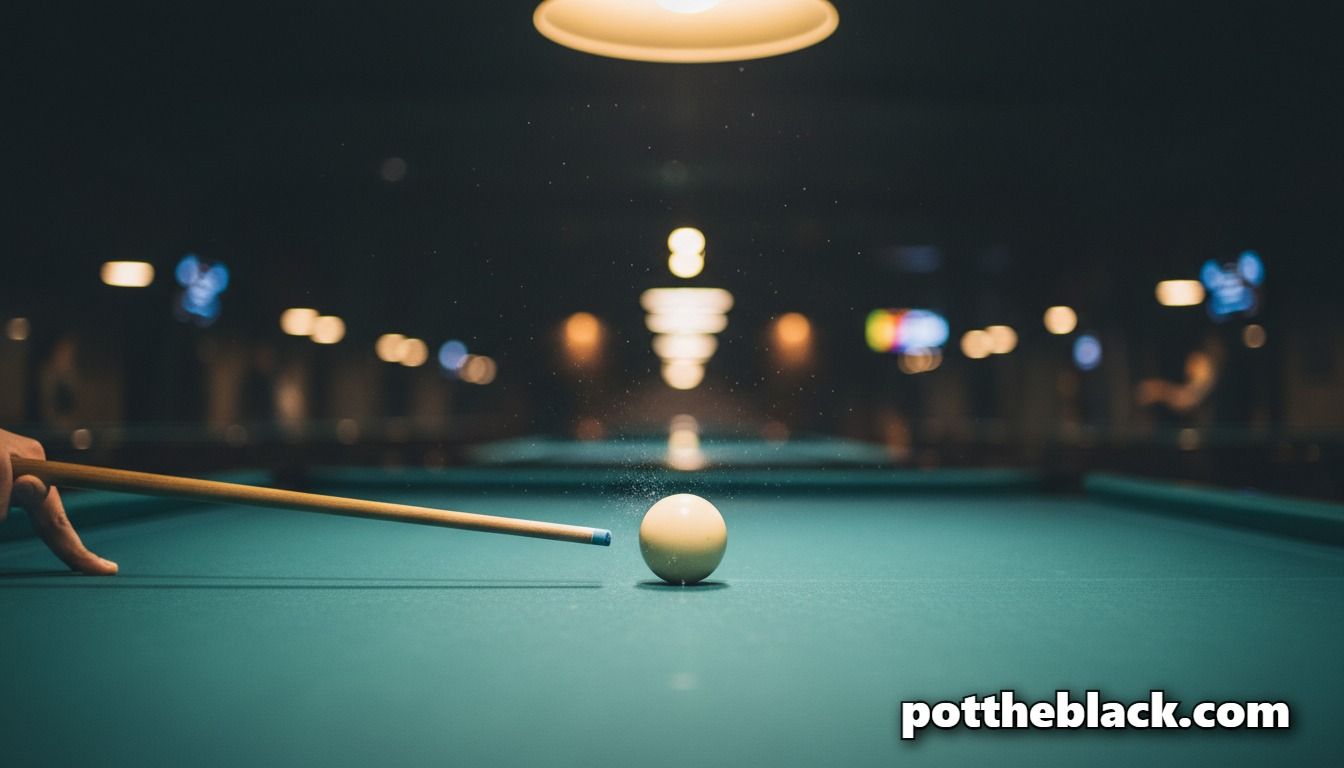
If you want to move from being a "potter" to being a "player," you have to stop thinking about where the object ball is going and start obsessing over where the cue ball is going to end up.
I’ve seen thousands of frames lost at the Papatoetoe RSA not because the player missed the shot, but because they potted the ball and left themselves "snookered" on their next one.
The secret to moving the white ball around the table like it’s on a leash is mastering the vertical axis. We call this "Stop," "Follow," and "Draw." It sounds simple, but getting it right under pressure is what separates the veterans from the Sunday social players.
The Physics of the Hit
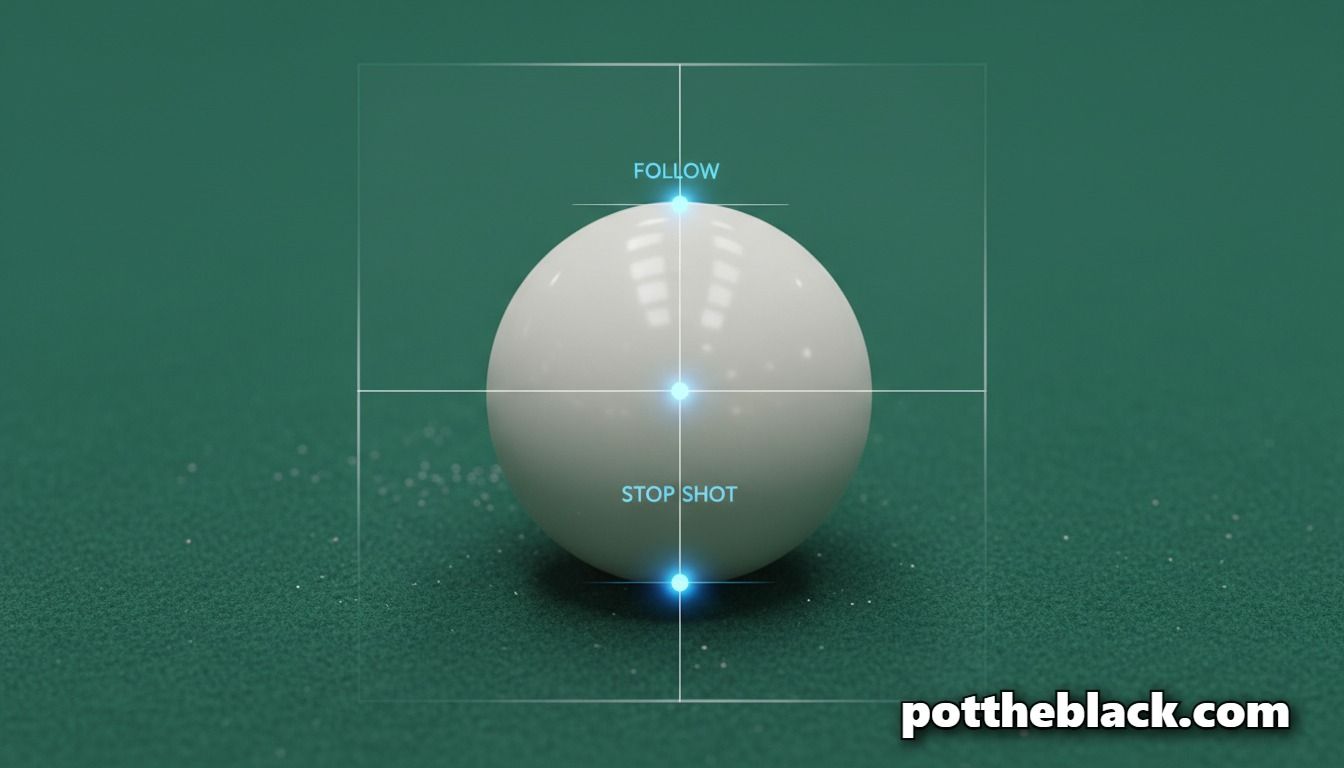
Before we get into the shots, you need to understand the "Center of Gravity" of the cue ball. When you hit the ball exactly in the center, it slides for a bit and then starts to roll forward due to friction with the cloth. To control the white, we manipulate that spin by hitting above or below that center point.
1. The Stop Shot: The Foundation of Position
The stop shot is the most important shot in pool. Period. It’s when the cue ball hits the object ball and dies right there on the spot.
How to do it: You need to hit the cue ball slightly below center. Why? Because the ball needs to be sliding (not rolling) at the exact moment it hits the object ball.
- The Error: If you hit it too high, it rolls forward. Too low, it draws back.
- The Tip: On a long stop shot, you have to hit even lower because the friction of the cloth will try to turn that slide into a forward roll before it reaches the target.
2. The Follow Shot (Top Spin)
The follow shot is used when you want the cue ball to chase the object ball toward the pocket. This is your best friend for getting down the table for your next shot.
How to do it: Hit the ball about one to two tip-widths above center.
- The Stroke: Don't jab at it. You want a smooth, flowing follow-through. Imagine your cue tip passing through the ball.
- Rob’s Hack: Most people hit too high and miscue. You only need to be slightly above center to get maximum forward roll.
3. The Draw Shot (Backspin)
This is the "show-off" shot, but it’s also the one that goes wrong most often. This is when the white ball hits the object ball and zips back toward you like it’s on a rubber band.
How to do it: Hit the ball significantly below center.
- The Secret: It’s not about power; it’s about "snap." You need a loose grip and a quick acceleration through the ball.
- The Bridge: Lower your bridge hand. If your bridge is too high and you aim low, you’ll "dig" under the ball and jump it off the table. Keep the cue as level as possible.
Common Issues and Fixes
The "Jab": If you poke at the ball and pull your cue back quickly, you won't get any spin. You must follow through.
The "Choke": If you grip the cue too tight on a draw shot, your muscles will tense up and kill the action. Keep that "bird in the hand" grip I always talk about.
The "Dirty Ball": If the balls are greasy or the cloth is dusty, your draw shot won't bite. Keep your equipment clean.
Practice Drill: The "L" Drill
Place three balls in a straight line toward a corner pocket.
Pot the first ball with a Stop Shot. The white must stay exactly where the ball was.
Pot the second ball with Follow, and make the white ball travel to the short rail and back.
Pot the third ball with Draw, and make the white ball come back past its original starting position.
If you can do this three times in a row without failing, you're ready for tournament play.
Summary
Mastering the vertical axis is about consistency. You don't need to hit the ball a mile; you just need to hit it in the right place with a smooth stroke. Once you trust your Stop, Follow, and Draw, the table starts to look a lot smaller, and your breaks start getting a lot longer.
Cheers, mate. See you on the baize.
More from the Table
Cue Sports Weekly - Wu Yize Wins Shenzhen, O'Sullivan Gets His Lifeline, and the Race for York Tightens
Cue Sports Weekly - Brennan Takes the 8-Ball Worlds, Shenzhen Open Hits the Last Eight